Who Is the Right Candidate for Overlapping Teeth Treatment?

A straight, well-aligned smile can improve facial appearance, confidence, and overall oral health. However, overlapping teeth are a common dental concern that affects both children and adults. This condition occurs when teeth do not have enough space to grow into their proper positions, causing them to overlap or twist. With Overlapping Teeth Treatment in Dubai, individuals can explore different orthodontic solutions to achieve a healthier and more balanced smile. But how do you know whether you are the right candidate for treatment? Understanding the causes, symptoms, and available options can help you make an informed decision.

What Are Overlapping Teeth?
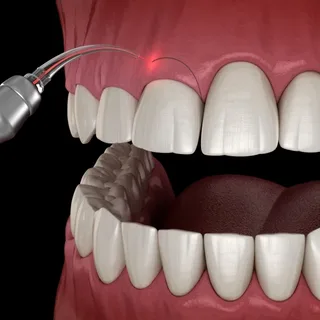
Overlapping teeth occur when two or more teeth compete for space within the dental arch. As a result, some teeth may grow behind, in front of, or at an angle to neighbouring teeth. This condition can affect the upper teeth, lower teeth, or both.
Although overlapping teeth are often considered a cosmetic concern, they can also affect everyday oral hygiene and dental function.
Common Causes of Overlapping Teeth
Several factors can contribute to crowded or overlapping teeth, including:
Genetics: Inherited jaw size and tooth dimensions can influence dental alignment.
Insufficient jaw space: A smaller jaw may not provide enough room for all permanent teeth.
Early or delayed tooth loss: Losing baby teeth too early or retaining them too long can affect permanent tooth positioning.
Childhood habits: Thumb sucking and prolonged pacifier use may influence dental development.
Wisdom teeth: Changes associated with wisdom teeth can contribute to crowding in some individuals.
Identifying the underlying cause helps dental professionals recommend an appropriate treatment approach.
Who Is the Right Candidate for Overlapping Teeth Treatment?
Not everyone experiences overlapping teeth in the same way. However, several signs can indicate that someone may benefit from professional orthodontic treatment.
1. Individuals With Noticeably Crowded Teeth
People whose teeth appear crowded, twisted, or positioned behind neighbouring teeth may be suitable candidates. Even mild overlapping can affect smile appearance and make cleaning certain areas difficult.
An orthodontic assessment can determine the severity of crowding and identify the most appropriate correction method.
2. Adults Looking to Improve Their Smile
Adults who feel uncomfortable about their uneven teeth may consider treatment at different stages of life. Modern orthodontic options allow many adults to correct alignment concerns without necessarily choosing traditional metal braces.
Clear aligners and other discreet solutions may be appropriate depending on the complexity of the dental condition.
3. Teenagers With Developing Dental Alignment Issues
Teenagers are often suitable candidates because their teeth and jaws may still be developing. Early evaluation allows orthodontists to monitor dental growth and identify potential alignment problems.
Depending on the individual's needs, braces or other orthodontic appliances may help guide teeth into better positions.
4. People Experiencing Oral Hygiene Difficulties
Overlapping teeth can create tight spaces where food particles and plaque accumulate. These areas may be challenging to clean with regular brushing and flossing.
Individuals who frequently experience plaque buildup, gum irritation, or difficulty maintaining oral hygiene may benefit from an orthodontic evaluation.
5. Individuals With Bite Alignment Problems
In some cases, overlapping teeth occur alongside bite problems such as overbite, underbite, or crossbite. These issues may affect chewing comfort and the distribution of pressure across the teeth.
A dental professional can assess whether correcting tooth alignment may also improve the patient's bite.
What Treatment Options Are Available?
The right treatment depends on the patient's age, dental condition, available space, and alignment goals.
Traditional Braces
Traditional braces use brackets and wires to gradually move teeth into their correct positions. They are suitable for many mild, moderate, and complex alignment problems.
Clear Aligners
Clear aligners are removable, transparent trays designed to move teeth gradually. They offer a discreet alternative for suitable patients and require consistent daily wear to achieve the desired results.
Other Orthodontic Approaches
Some patients may require additional orthodontic procedures to create sufficient space or improve alignment. Tooth reshaping, carefully planned extractions, or other appliances may be considered when clinically necessary.
The treatment plan should always be based on a detailed dental examination.
When Should You Consider Treatment?
Although overlapping teeth do not always require immediate correction, certain signs should not be ignored.
Consider arranging a dental consultation if you experience:
Difficulty brushing or flossing between teeth.
Frequent food accumulation in crowded areas.
Bleeding or irritated gums.
Noticeable changes in tooth positioning.
Discomfort when biting or chewing.
Reduced confidence because of an uneven smile.
Early assessment can help identify potential complications and prevent minor alignment concerns from becoming more difficult to manage.
What Happens During an Orthodontic Consultation?
The first consultation helps determine whether a patient is suitable for treatment. The dental professional examines the teeth, gums, jaw structure, and bite alignment.
Digital scans, dental photographs, and X-rays may also be recommended to understand the positioning of the teeth and supporting structures.
At Dynamic Clinic, patients can explore suitable dental treatment approaches based on their individual concerns and smile goals. A personalised assessment helps establish realistic expectations and determine which orthodontic options may deliver effective results.
Final Thoughts
The right candidate for overlapping teeth treatment is anyone experiencing dental crowding, uneven alignment, bite difficulties, or challenges maintaining proper oral hygiene. Both teenagers and adults may benefit from professional evaluation, depending on their dental health and individual requirements.
Choosing the appropriate treatment can improve smile appearance, support better oral hygiene, and contribute to long-term dental health. If overlapping teeth are affecting your confidence or daily comfort, consulting an experienced dental professional is an important first step towards achieving a healthier, more naturally aligned smile.


Comments