How Can Gingivectomy Surgery Improve Your Gum Health?

Healthy gums are essential for maintaining strong teeth, preventing oral infections, and achieving an attractive smile. However, excessive gum tissue, bacterial buildup, and certain periodontal conditions can affect both oral health and appearance. When these problems become difficult to manage through routine dental care, surgical treatment may be recommended. Gingivectomy Surgery in Dubai is one option that helps remove excess or diseased gum tissue, making it easier to maintain proper oral hygiene while supporting healthier gums. Understanding how this procedure works and its potential benefits can help patients make informed decisions about their dental health.
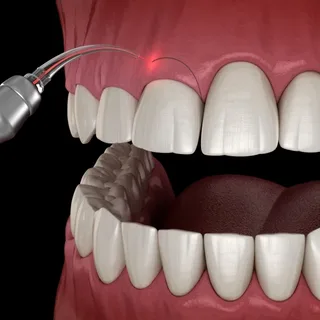
What Is Gingivectomy Surgery?
Gingivectomy is a dental procedure that involves removing excess, infected, or overgrown gum tissue surrounding the teeth. It is commonly recommended when gum tissue creates pockets where bacteria and plaque can accumulate.
These pockets can make regular brushing and flossing less effective, increasing the risk of inflammation and periodontal disease.
By carefully removing the affected tissue, a dentist can create a healthier gum contour and improve access to areas that require proper cleaning.
Why Is Gingivectomy Recommended?
A dentist may recommend this procedure for several reasons, including:
Excessive gum tissue covering parts of the teeth.
Deep periodontal pockets caused by gum disease.
Swollen or overgrown gums.
Difficulty maintaining oral hygiene.
Uneven gum contours affecting smile appearance.
Persistent gum inflammation associated with excess tissue.
The treatment recommendation depends on the patient's gum condition and overall oral health.
How Does Gingivectomy Surgery Improve Gum Health?
Gingivectomy can provide several important benefits for patients experiencing specific gum tissue problems. Removing excess or diseased tissue helps create an environment that is easier to clean and maintain.
1. Reduces Excess Gum Tissue
Excessive gum tissue can cover significant portions of the teeth, making it difficult to remove plaque effectively. It may also create areas where food particles become trapped.
Gingivectomy removes the unnecessary tissue and improves the natural gum contour. This allows patients to clean around their teeth more comfortably and maintain better oral hygiene.
2. Helps Reduce Bacterial Accumulation
Bacteria thrive in areas where plaque and food debris collect. Deep gum pockets can create suitable environments for bacterial growth, potentially contributing to periodontal problems.
By removing affected gum tissue in appropriate cases, gingivectomy can reduce certain areas where bacteria accumulate. This supports better cleaning and helps control gum inflammation.
However, proper professional cleaning and ongoing periodontal care remain essential.
3. Supports Better Management of Gum Disease
Gum disease can develop when plaque bacteria irritate the gum tissues over time. Early symptoms may include redness, swelling, tenderness, and bleeding during brushing.
When excessive or diseased tissue contributes to periodontal problems, gingivectomy may form part of a broader treatment plan.
It helps improve access to affected areas, allowing dental professionals to manage the condition more effectively.
What Are the Additional Benefits of Gingivectomy?
Apart from supporting gum health, this procedure can offer functional and aesthetic improvements.
Improves Gum Appearance
Uneven or excessive gum tissue can make teeth appear shorter than their actual size. Some patients also experience a gummy smile because too much gum tissue is visible when smiling.
Gingivectomy can reshape the gumline by removing selected tissue, creating a more balanced appearance between the teeth and gums.
Makes Oral Hygiene Easier
Maintaining clean teeth becomes challenging when excess gum tissue creates difficult-to-reach areas.
After appropriate gum reshaping, patients may find brushing and flossing more manageable. Better access to the gumline can support consistent plaque removal and healthier daily oral hygiene habits.
Helps Maintain Long-Term Dental Health
Healthy gum tissue provides important support and protection for natural teeth. Managing excessive or diseased tissue can contribute to improved periodontal maintenance.
However, long-term results depend on regular dental examinations, professional cleanings, and good oral hygiene practices.
What Happens During the Gingivectomy Procedure?
Understanding the treatment process can help patients feel more comfortable before undergoing surgery.
Initial Dental Examination
The dentist first examines the gums, checks periodontal pocket depths, and evaluates the amount of excess tissue. Dental X-rays may also be recommended to assess the supporting bone when necessary.
This evaluation helps determine whether gingivectomy is appropriate or whether another periodontal treatment would be more suitable.
Removing the Excess Gum Tissue
The procedure generally begins with local anaesthesia to keep the treatment area comfortable.
The dentist then carefully removes the targeted gum tissue using suitable surgical instruments or laser technology, depending on the treatment plan.
Cleaning and Recovery
After removing the unwanted tissue, the treated area is cleaned and managed to support healing. A periodontal dressing may be used when necessary.
Patients receive aftercare instructions to protect the surgical area and reduce the possibility of complications.
How Can You Maintain Healthy Gums After Surgery?
Following proper aftercare is important for protecting the results of gingivectomy.
Consider these essential practices:
Brush gently using a soft-bristled toothbrush.
Follow the dentist's instructions regarding flossing.
Avoid irritating the treated area during recovery.
Choose soft foods during the initial healing period.
Avoid smoking because it can interfere with healing.
Attend recommended follow-up appointments.
Maintain regular professional dental cleanings.
Patients should also contact their dentist if they experience persistent bleeding, increasing swelling, severe pain, or other unexpected symptoms.
Who Is a Suitable Candidate for Gingivectomy?
Gingivectomy may be suitable for individuals with excessive gum tissue, certain periodontal pockets, or gum overgrowth affecting oral hygiene.
However, not everyone with swollen or uneven gums requires surgery. Some conditions can be managed through professional cleaning, improved oral hygiene, medication-related adjustments under medical guidance, or other periodontal procedures.
A comprehensive dental examination is necessary to identify the underlying problem and select the most appropriate treatment.
Final Thoughts
Gingivectomy surgery can play an important role in improving gum health by removing excessive or diseased tissue, supporting better oral hygiene, and helping manage selected periodontal conditions. It can also improve gum symmetry and create a more balanced smile.
Although the procedure offers several potential benefits, maintaining healthy gums requires consistent care even after treatment. Regular dental checkups, proper brushing, flossing, and professional cleanings remain essential for protecting your teeth and gums. Understanding your treatment options and following professional recommendations can help you achieve healthier gums and maintain your smile over time.


Comments