What Makes a Brazilian Butt Lift Popular for Body Shaping?

Body shaping has become an important part of modern aesthetic care, especially for people who want to enhance their natural curves and achieve balanced body proportions. Many individuals explore different options to improve the appearance of their waist, hips, and buttocks while maintaining a natural-looking silhouette. In this context, Brazilian Butt Lift in Dubai has gained attention as a body-contouring procedure that uses a person's own fat to enhance buttock shape and volume. Its appeal comes from the possibility of combining fat reduction in selected areas with contour enhancement in another, creating a more harmonious overall appearance.
Understanding the Brazilian Butt Lift Procedure
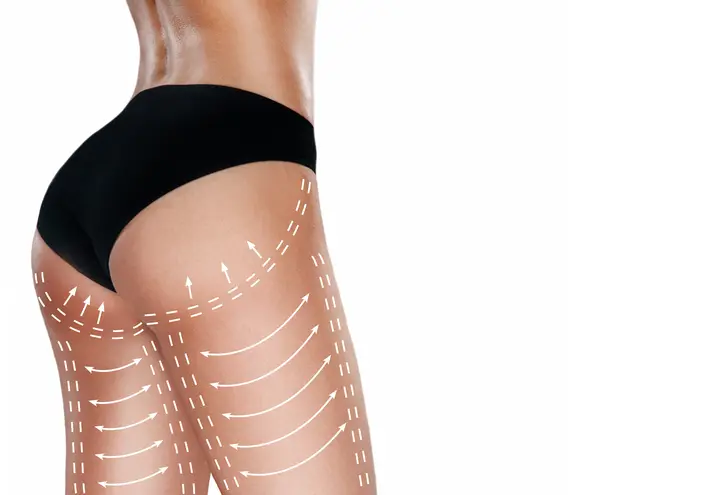
A Brazilian Butt Lift, commonly known as a BBL, is a surgical procedure designed to improve the shape and fullness of the buttocks through fat transfer. Unlike implants, which use artificial materials, this technique involves collecting fat from suitable areas of the body, processing it, and transferring a portion of that fat to the buttocks.
How Fat Transfer Supports Body Contouring
The procedure generally begins with liposuction to remove fat from areas such as the abdomen, flanks, back, or thighs. The collected fat is processed before being carefully transferred to selected areas of the buttocks.
This approach can help create a more defined waistline while enhancing buttock contours. However, the final appearance depends on individual anatomy, available donor fat, surgical technique, and how much transferred fat survives.
Why Is a Brazilian Butt Lift Popular for Body Shaping?
Several factors contribute to the popularity of this procedure. People increasingly seek personalized aesthetic options that address multiple aspects of body proportions rather than focusing on a single area.
1. Enhancing Natural Body Curves
One of the main reasons people consider a Brazilian Butt Lift is the opportunity to enhance their natural curves. Some individuals desire greater fullness, while others want a more balanced relationship between their waist, hips, and buttocks.
Fat transfer allows the surgeon to tailor the treatment to the patient's anatomy and aesthetic goals. The objective is not necessarily to create dramatic volume but to achieve proportions that complement the rest of the body.
2. Combining Fat Removal With Shape Enhancement
Another appealing feature is the combination of liposuction and fat transfer. When suitable fat deposits are present, removing some fat from selected areas can improve body definition while providing material for buttock enhancement.
For example, contouring the flanks and abdomen may create a more noticeable waistline. Enhancing the buttocks can then contribute to a smoother transition between the waist and hips.
However, liposuction is not a weight-loss solution, and the procedure is generally intended for appropriately selected candidates who are near a stable, healthy weight.
3. Using the Body's Own Fat
Many people appreciate that a Brazilian Butt Lift uses their own fat instead of synthetic implants. This can be attractive to individuals who prefer a fat-transfer approach to increasing buttock volume.
Nevertheless, not all transferred fat survives permanently. Some is naturally reabsorbed by the body, meaning the final result may differ from the initial postoperative appearance. Patients should understand these limitations before deciding whether the procedure suits their expectations.
Who May Be a Suitable Candidate?
Although the procedure attracts interest from people with different body goals, it is not appropriate for everyone. A careful assessment helps determine whether the potential benefits outweigh the risks.
Important Factors to Consider
A suitable candidate generally has enough harvestable fat, maintains a relatively stable weight, and is healthy enough to undergo surgery. Realistic expectations are also essential because body shape, skin quality, healing, and fat survival influence the outcome.
People with insufficient donor fat may need to explore other options. Individuals with certain medical conditions or factors that increase surgical risk may require additional evaluation or may not be suitable candidates.
A qualified plastic surgeon should assess medical history, body composition, and individual goals before recommending treatment.
Safety and Recovery After a Brazilian Butt Lift
While body shaping can offer aesthetic benefits, safety must remain the priority. A Brazilian Butt Lift carries significant risks, including fat embolism, infection, bleeding, and complications related to anesthesia.
Why Surgical Technique Matters
Fat must be transferred using an appropriate technique that avoids injection into the gluteal muscles. Current safety guidance emphasizes placing transferred fat in the subcutaneous tissue above the muscle and using appropriate safeguards, including real-time ultrasound where recommended and available.
Choosing a properly qualified plastic surgeon and an appropriately equipped surgical facility is essential. Patients should ask about safety protocols, the surgeon's experience, and the recovery plan before proceeding.
What to Expect During Recovery
Recovery usually involves swelling, bruising, and temporary discomfort. Patients commonly receive instructions to avoid direct pressure on the buttocks for a specified period and to follow guidance about sitting, sleeping, movement, and compression garments.
Healing times vary, and returning to normal activities should depend on the surgeon's instructions. Follow-up appointments help monitor recovery and identify potential complications early.
Final Thoughts
The Brazilian Butt Lift remains popular for body shaping because it offers a personalized approach to enhancing curves, refining selected body areas, and improving overall proportions through fat transfer. Its appeal lies in the possibility of combining contour refinement with buttock enhancement using the patient's own fat.
However, popularity should never replace careful decision-making. Understanding candidacy, realistic outcomes, recovery requirements, and serious safety considerations is essential before choosing surgery. With a thorough medical assessment and an experienced, appropriately qualified surgical team, individuals can make a more informed decision about whether this procedure aligns with their body goals and long-term well-being.


Comments