What Are the Benefits of Wearing Mouth Guards Daily?

Protecting your teeth is an important part of maintaining a healthy smile, especially if you grind your teeth during sleep, participate in contact sports, or experience jaw discomfort. Mouth guards provide a protective barrier that can help reduce the risk of dental injuries and minimise the effects of certain oral habits. For people exploring Mouth Guards in Dubai, understanding how these devices work and when daily use is beneficial can make it easier to choose the right option. With proper guidance, a suitable mouth guard can become a valuable part of your oral care routine, helping protect your teeth while supporting long-term dental health.
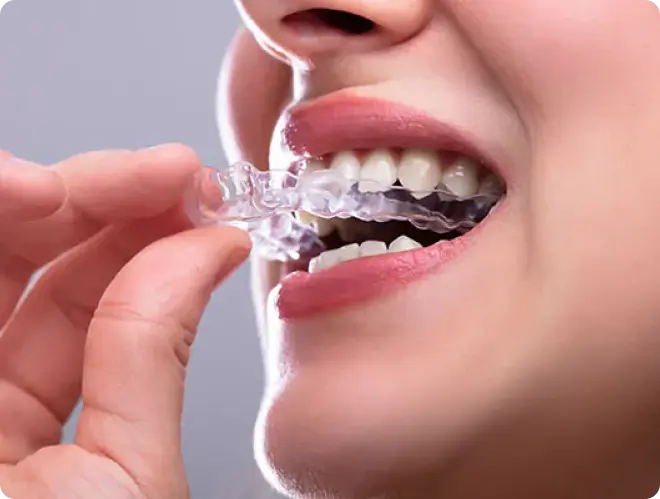
Understanding the Purpose of Mouth Guards
Mouth guards are protective dental devices designed to cover the teeth and cushion them against pressure, impact, or friction. Depending on their purpose, they may be used during sports, while sleeping, or in other situations where the teeth and jaw need additional protection.
Although mouth guards may look similar, their designs and functions can differ considerably. Choosing the appropriate type is essential for comfort, effectiveness, and safety.
Different Types of Mouth Guards
There are several common types of mouth guards available.
Custom-fitted mouth guards: Created from impressions or digital scans of your teeth, these devices offer a personalised fit and are often recommended for specific dental needs.
Boil-and-bite mouth guards: These are softened in hot water and moulded around the teeth according to the product instructions.
Stock mouth guards: These come in preformed shapes and are generally less adjustable than other options.
A dentist can help determine which type is suitable for your teeth, lifestyle, and individual concerns.
Key Benefits of Wearing Mouth Guards Daily
Daily mouth guard use can offer meaningful benefits when the device is designed for a specific purpose and used as recommended. However, not everyone needs to wear one throughout the day. The appropriate schedule depends on whether it is intended for sports, nighttime teeth grinding, or another dental concern.
1. Protects Teeth From Grinding
Bruxism, commonly known as teeth grinding or clenching, can place considerable pressure on the teeth. Some people grind their teeth unconsciously while sleeping, making the habit difficult to recognise without professional assessment.
A properly fitted night guard creates a protective barrier between the upper and lower teeth. It can help reduce direct tooth-to-tooth wear and protect dental restorations from some of the effects of grinding.
Although a mouth guard does not necessarily stop the grinding habit itself, it can help manage its impact on the teeth.
2. Reduces the Risk of Sports Injuries
People who participate in sports such as football, basketball, boxing, and martial arts may face an increased risk of dental trauma. An impact to the face can chip, crack, loosen, or dislodge teeth.
A suitable sports mouth guard helps absorb and distribute some of the force from an impact, reducing the risk of certain injuries to the teeth and surrounding oral tissues.
Wearing the correct mouth guard during every practice session and game is a simple precaution that can support better dental protection.
3. Helps Protect Dental Restorations
Crowns, veneers, bridges, and other dental restorations can be exposed to excessive pressure during grinding or clenching. Depending on the restoration and the individual's bite, this pressure may contribute to wear or damage.
A dentist may recommend a custom-fitted night guard to help protect both natural teeth and existing dental work. Regular use, when prescribed, can be particularly valuable for people who have a history of grinding.
4. May Help Manage Jaw Discomfort
Teeth grinding and clenching can contribute to muscle fatigue, jaw soreness, and discomfort around the temples. A properly designed mouth guard may help reduce the effects of tooth contact in some individuals.
However, jaw pain can have several causes, including temporomandibular disorders. A mouth guard is not a universal solution, so persistent pain, restricted jaw movement, or frequent headaches should be assessed by a dental professional.
Why a Proper Fit Matters
A mouth guard should fit securely without causing pain, excessive pressure, or difficulty breathing. Poorly fitting devices may be uncomfortable and less effective at providing the intended protection.
Benefits of Custom-Fitted Mouth Guards
Custom-fitted devices are designed around an individual's dental structure. This personalised approach can improve comfort, stability, and ease of use, particularly for people who need regular protection.
A dentist can also check the fit over time and recommend adjustments if the teeth, bite, or dental restorations change.
Tips for Safe Daily Mouth Guard Use
To get the most from your mouth guard, establish a consistent cleaning and maintenance routine.
Rinse the device after every use.
Clean it according to the manufacturer's instructions.
Allow it to dry before storing it in a ventilated case.
Keep it away from excessive heat, which can distort its shape.
Inspect it regularly for cracks, tears, or signs of wear.
Arrange dental reviews if the guard becomes loose or uncomfortable.
Avoid sharing your mouth guard with others, and replace it when damaged or when your dentist recommends a new one.
Final Thoughts
Wearing a mouth guard daily can help protect teeth from grinding, reduce the risk of certain sports-related dental injuries, and support the protection of existing dental restorations. The greatest benefit comes from selecting a device that matches your needs and using it according to professional guidance. Not everyone requires daily wear, so a dental assessment is the best starting point for choosing an appropriate option. By combining proper mouth guard use with consistent oral hygiene and regular dental check-ups, you can take practical steps toward protecting your smile for years to come.


Comments