Is Gum Contouring Suitable for Every Type of Smile?

A beautiful smile is not just about having straight, white teeth. The appearance of the gums also plays an important role in creating a balanced and attractive smile. Some people feel uncomfortable because their gums appear too prominent, uneven, or asymmetrical when they smile. In such situations, cosmetic dental procedures may offer a solution. However, before considering Gum contouring in Dubai, it is important to understand whether this treatment is suitable for every smile, what conditions it can improve, and when alternative procedures may be more appropriate. Understanding these factors can help individuals make confident decisions about their dental appearance.

What Is Gum Contouring?
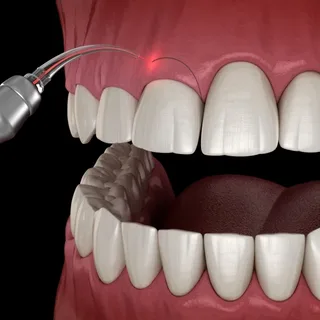
Gum contouring is a cosmetic dental procedure that reshapes the gumline to create a more balanced appearance. It is commonly recommended for people who have excessive gum tissue, uneven gum levels, or a gummy smile.
The procedure involves carefully removing or reshaping small amounts of gum tissue to expose more of the natural tooth surface. Depending on the patient's condition, dental professionals may use laser technology or traditional surgical techniques.
How Does the Procedure Improve a Smile?
The main objective is to create better proportions between the teeth and gums. When the gumline is uneven, some teeth may appear shorter or differently shaped than others. Reshaping the gum tissue can make the smile look more symmetrical and harmonious.
However, the procedure focuses on the gumline rather than changing the actual size or position of the teeth.
Is Gum Contouring Suitable for Every Smile?
Although gum contouring can improve several cosmetic concerns, it is not suitable for everyone. The decision depends on gum health, tooth structure, bone levels, and the underlying reason for an uneven smile.
Some individuals have naturally excessive gum tissue, while others may have a gummy smile because of jaw development, tooth eruption patterns, or upper-lip movement. These differences must be evaluated before recommending treatment.
People Who May Benefit from Gum Contouring
The procedure may be appropriate for individuals who:
Have excessive gum tissue covering their teeth.
Notice an uneven or asymmetrical gumline.
Have teeth that appear unusually short because of excess gum coverage.
Feel uncomfortable with the amount of gum visible when smiling.
Have healthy gums and sufficient supporting tooth structure.
A professional assessment helps determine whether reshaping the gumline can achieve the desired improvement.
When Is Gum Contouring Not the Right Choice?
Not every gummy smile is caused by excessive gum tissue. Sometimes, the underlying issue involves the position of the jaw, tooth eruption, or movement of the upper lip.
In these situations, removing gum tissue alone may not provide the expected results.
Understanding Underlying Dental Conditions
Patients with active gum disease, untreated infections, or poor periodontal health may need treatment before considering cosmetic gum reshaping. Similarly, individuals with insufficient gum tissue or certain bone-related conditions may not be suitable candidates.
A dentist or periodontist should carefully examine the teeth, gums, and supporting structures to identify the actual cause of the concern.
What Factors Determine Your Suitability?
Several important factors influence whether gum contouring is an appropriate treatment.
Overall Gum Health
Healthy gums are essential for successful treatment. Swelling and inflammation can make the gumline appear uneven, meaning cosmetic reshaping may not be necessary until the underlying condition is addressed.
Tooth and Bone Structure
The relationship between the teeth, gums, and underlying bone affects how much tissue can safely be reshaped. Removing excessive gum tissue without considering these structures may expose sensitive tooth surfaces or affect periodontal support.
Smile Proportions
Every person has different facial features, tooth shapes, and natural gum patterns. A suitable treatment plan should maintain harmony between these elements rather than attempting to create an identical smile for everyone.
What Happens During the Gum Contouring Procedure?
The treatment generally begins with a consultation and detailed examination. The dental professional evaluates the gumline and discusses the patient's expectations.
If the patient is suitable, the treatment area is prepared, and local anaesthesia may be used to improve comfort. Depending on the case, a laser or surgical instrument reshapes the excess gum tissue.
Recovery and Healing
Recovery varies depending on the extent of treatment and the technique used. Some patients experience mild swelling, tenderness, or sensitivity during the initial healing period.
Following aftercare instructions is important. Patients should maintain gentle oral hygiene, avoid irritating the treated area, and attend recommended follow-up appointments.
Are There Alternatives to Gum Contouring?
Yes. The most appropriate alternative depends on what causes the appearance of a gummy smile.
Orthodontic treatment may help when tooth positioning contributes to the concern. Certain cases involving excessive upper-lip movement may benefit from specialised treatment options. If teeth appear small because of their natural shape, veneers or other restorative procedures may sometimes be considered.
A professional examination helps identify the most suitable approach instead of choosing a procedure based only on appearance.
Final Thoughts
Gum contouring can create a more balanced and attractive smile, but it is not the ideal solution for every individual. Suitability depends on gum health, tooth proportions, bone structure, and the underlying cause of excessive gum visibility.
Before proceeding, patients should seek a detailed dental evaluation and discuss realistic expectations, potential risks, and available alternatives. A personalised approach ensures that cosmetic improvements support both appearance and long-term oral health. Ultimately, the best smile is one that looks natural, feels comfortable, and maintains healthy gums.


Comments