Is Digital Smile Design Suitable for Everyone?

A beautiful smile can improve facial appearance, boost confidence, and create a positive first impression. However, achieving an attractive smile involves more than simply changing the shape or colour of teeth. Digital technology has made cosmetic dentistry more personalised, allowing patients to preview potential results before treatment begins. With Digital smile design in Dubai, individuals can explore customised smile transformations based on their facial features, dental condition, and personal preferences. But is this innovative approach suitable for everyone? Although it offers several advantages, its suitability depends on oral health, existing dental concerns, and individual treatment expectations.

What Is Digital Smile Design?
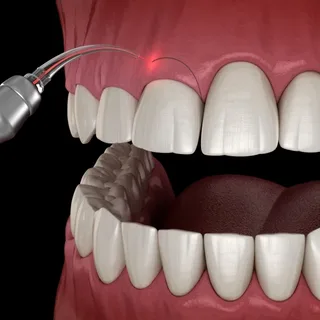
Digital Smile Design (DSD) is a modern dental planning approach that uses digital photographs, videos, dental scans, and specialised software to plan cosmetic improvements. It allows dental professionals to evaluate the relationship between teeth, gums, lips, and facial proportions.
Unlike traditional cosmetic consultations, this technique provides a visual representation of the proposed smile. Patients can better understand how different changes may influence their overall appearance before beginning treatment.
How Does the Process Work?
The process generally begins with collecting detailed photographs and digital impressions of the patient's teeth. Dental professionals analyse facial symmetry, tooth alignment, gum visibility, and smile proportions.
Based on this information, a personalised digital smile plan is developed. Depending on the patient's requirements, the treatment may involve veneers, crowns, teeth whitening, orthodontics, or other cosmetic procedures.
Is Digital Smile Design Suitable for Everyone?
Digital Smile Design can benefit many individuals interested in improving their smiles, but it is not automatically suitable for every patient. A person's dental condition plays an important role in determining whether cosmetic treatment can proceed safely.
Patients with healthy teeth and gums who want to improve minor imperfections are often suitable candidates. However, individuals with untreated dental problems may require preliminary treatment before cosmetic procedures can begin.
People Who May Benefit from Digital Smile Design
Several groups of patients may find this approach particularly useful:
People with stained teeth: Individuals with discolouration may explore suitable cosmetic options to achieve a brighter appearance.
People with uneven teeth: Digital planning can help evaluate improvements in tooth shape, size, and alignment.
Individuals with small gaps: Patients with spaces between their teeth may consider suitable cosmetic solutions.
People with worn teeth: Digital smile planning can help assess how restorative treatments may improve tooth appearance.
Individuals seeking smile enhancement: Those who want a more balanced and natural-looking smile can benefit from personalised treatment planning.
The final treatment recommendation depends on a professional dental examination.
When Might Digital Smile Design Not Be Suitable?
Although digital planning is useful, certain dental conditions must be addressed before cosmetic treatment. Ignoring existing problems can affect treatment outcomes and long-term oral health.
Untreated Gum Disease
Patients experiencing gum inflammation, bleeding, or periodontal disease may need appropriate gum treatment first. Healthy gums provide essential support for cosmetic dental procedures. Addressing inflammation before treatment can help create a more stable foundation.
Severe Tooth Decay
Extensive cavities, infections, and damaged tooth structures require attention before aesthetic improvements. Restoring dental health should always take priority over cosmetic changes.
Significant Bite Problems
Some individuals have serious bite irregularities or jaw alignment concerns. In these situations, orthodontic treatment or other corrective procedures may be recommended before cosmetic enhancements.
Unrealistic Expectations
Digital Smile Design helps patients visualise proposed improvements, but it cannot guarantee identical results in every situation. Natural tooth structure, facial characteristics, and individual dental limitations influence the final appearance.
What Factors Determine Patient Eligibility?
Before recommending Digital Smile Design, dental professionals consider several important factors.
Overall Oral Health
Healthy teeth and gums are essential for successful cosmetic treatment. Existing infections, cavities, and gum problems should be evaluated and managed appropriately.
Facial Features and Smile Proportions
Every individual has different facial characteristics. Tooth length, width, shape, and positioning should complement the patient's natural appearance rather than follow an identical design for everyone.
Personal Goals
Some patients prefer subtle improvements, while others want a more noticeable transformation. Understanding these expectations helps dental professionals develop an appropriate treatment plan.
Existing Dental Work
Previous crowns, fillings, veneers, or dental implants may influence available treatment options. A detailed examination helps determine whether existing restorations can be maintained or need modification.
What Are the Main Benefits of Digital Smile Design?
One of the biggest advantages of this approach is improved communication between patients and dental professionals.
It allows individuals to understand proposed changes instead of relying entirely on verbal explanations. Digital previews can also help identify preferences regarding tooth proportions, symmetry, and overall smile appearance.
Other benefits include:
Personalised cosmetic treatment planning.
Better visual understanding of expected changes.
Improved communication during consultations.
More informed treatment decisions.
Greater consideration of facial harmony.
A structured approach to smile enhancement.
However, the quality of the final outcome still depends on appropriate treatment selection and professional execution.
Is a Dental Consultation Necessary Before Treatment?
Absolutely. Digital Smile Design is a planning approach, not a replacement for a comprehensive dental examination.
During the consultation, dental professionals assess oral health, discuss cosmetic concerns, and determine whether additional procedures are necessary. Patients may also receive information about treatment limitations, maintenance requirements, and realistic expectations.
At Dynamic Clinic, understanding individual dental needs is an important consideration when exploring cosmetic smile enhancement options. A personalised assessment helps determine which procedures may be appropriate for achieving a balanced appearance.
Final Thoughts
Digital Smile Design offers an innovative way to plan personalised smile transformations, but it is not suitable for everyone without proper evaluation. Patients with healthy teeth and gums may benefit from its visual planning capabilities, while those with dental infections, gum disease, or significant bite problems may require preliminary treatment.
The most important step is to prioritise oral health and choose an approach that complements natural facial features. With professional guidance, realistic expectations, and careful planning, Digital Smile Design can help suitable individuals move towards a healthier-looking, more confident smile.


Comments