Is Mustache Hair Transplant suitable for all skin types?
- Dynamicclinic. sana
- Oct 30, 2025
- 3 min read

Mustache Hair Transplant in Dubai has become an increasingly popular solution for men looking to enhance their facial aesthetics. A well-groomed mustache is not only a symbol of style but also reflects personal grooming and confidence. With advancements in hair transplant technology, achieving a natural-looking mustache has never been easier. However, a common question arises: is this procedure suitable for all skin types? Understanding how skin type impacts hair transplant outcomes is crucial before deciding on this cosmetic procedure.
Understanding Mustache Hair Transplant
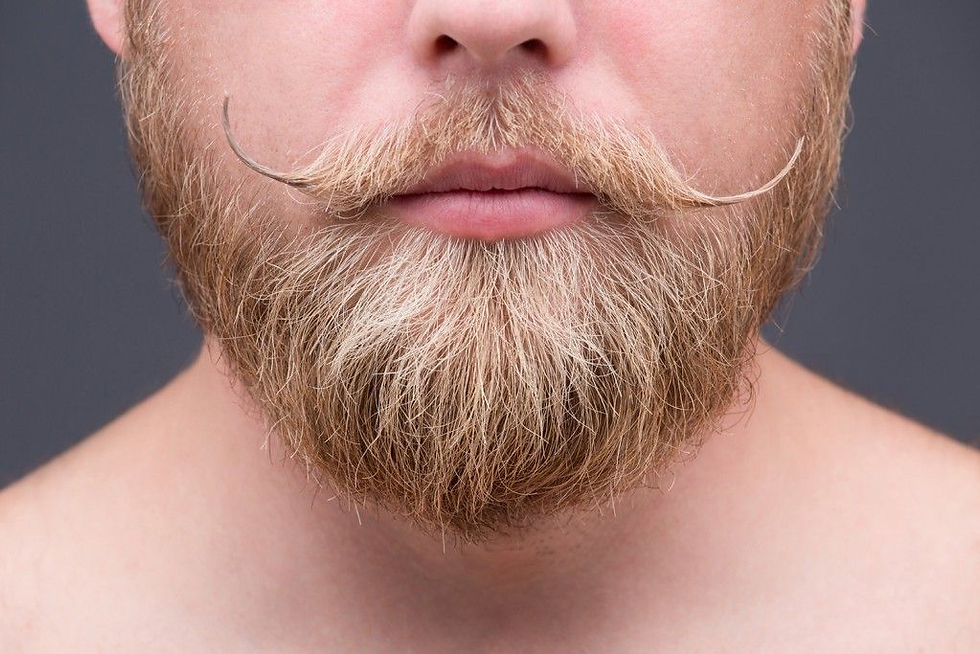
A mustache hair transplant involves relocating hair follicles from a donor area, typically the scalp, to the mustache region. The goal is to create a fuller, natural-looking mustache that complements the facial features. Unlike scalp hair, mustache hair requires a specific angle and direction during transplantation to ensure natural growth patterns. While the procedure has gained popularity globally, factors like skin type, hair texture, and underlying health conditions play a significant role in determining the success of the transplant.
How Skin Type Affects Hair Transplant Results
Skin type can significantly influence the healing process and overall results of a mustache hair transplant. Generally, skin types are categorized as oily, dry, combination, or sensitive. Each type responds differently to surgical procedures, and knowing these differences helps in managing expectations:
Oily Skin: Individuals with oily skin may experience slower healing due to excess sebum production. Sebum can interfere with scab formation and increase the risk of infection if proper aftercare is not followed.
Dry Skin: Dry skin may feel tight and uncomfortable post-procedure, and it may be prone to flaking. Hydration and specialized post-transplant skincare are essential for optimal recovery.
Combination Skin: With a mix of oily and dry areas, combination skin requires a balanced approach to aftercare. Some regions may heal faster while others need additional attention.
Sensitive Skin: Sensitive skin may react more intensely to the trauma of transplantation. Redness, irritation, and prolonged healing are more common, requiring careful post-operative care.
Benefits of Mustache Hair Transplant Across Different Skin Types
Despite differences in skin types, mustache hair transplant offers several advantages:
Natural-Looking Results: With precise placement, transplanted hair grows naturally and blends seamlessly with existing facial hair.
Permanent Solution: Unlike temporary solutions like hair fibers or dyes, the results are long-lasting with proper maintenance.
Enhanced Confidence: A fuller mustache can significantly boost self-esteem, making individuals feel more confident in their appearance.
Proper consultation and skin evaluation can ensure that patients of all skin types achieve desirable outcomes.
Factors to Consider Before the Procedure
While mustache hair transplants can be successful for most men, several factors should be evaluated:
Hair Density: Adequate donor hair is essential for a successful transplant.
Skin Health: Conditions like acne, eczema, or scars in the mustache area can affect the healing process.
Lifestyle Habits: Smoking, excessive sun exposure, and poor nutrition can impact hair growth and recovery.
Consulting with a professional to discuss these factors ensures a customized approach that aligns with individual skin types and hair characteristics.
Aftercare and Maintenance for Different Skin Types
Post-transplant care is crucial for optimal results. Skin type largely dictates the aftercare routine:
Oily Skin: Gentle cleansing and antiseptic care are necessary to prevent infection.
Dry Skin: Moisturizers and hydration help reduce irritation and flakiness.
Sensitive Skin: Using hypoallergenic products and avoiding harsh treatments ensures a smoother recovery.
Consistent follow-up and adherence to the prescribed care routine maximize the chances of successful hair growth.
Final Thoughts
While Mustache Hair Transplant in Dubai is generally suitable for all skin types, personalized evaluation is key to achieving the best results. Skin type influences the healing process, hair growth rate, and overall appearance of the transplanted mustache. By understanding the specific needs of each skin type, patients can ensure that their mustache hair transplant procedure is not only successful but also natural-looking and long-lasting.
If you are considering a Mustache Hair Transplant Dubai, ensure a thorough consultation to discuss your skin type, hair characteristics, and desired outcome. This proactive approach will help you enjoy a confident, stylish mustache that enhances your facial features for years to come.


Comments