Does hair transplant prevent future loss?
- Dynamicclinic. sana
- Nov 3, 2025
- 3 min read

When people think about getting a Hair Transplant in Dubai, one of the most common questions that comes to mind is whether the procedure can actually stop future hair loss. After all, investing in a hair transplant is not just about restoring what’s been lost—it’s also about maintaining long-term results. Understanding how hair transplants work, what they can achieve, and what they can’t is essential to set realistic expectations and enjoy lasting confidence.
Understanding How a Hair Transplant Works
A hair transplant is a cosmetic procedure that relocates hair follicles from a donor area—usually the back or sides of the scalp—to thinning or bald regions. These donor hairs are genetically resistant to the hormone dihydrotestosterone (DHT), which is the primary cause of male and female pattern baldness. Because of this resistance, transplanted hairs tend to remain on the scalp permanently, continuing to grow naturally after being moved.
However, while the transplanted hair is generally permanent, this doesn’t mean the rest of your natural hair will stop falling out. Hair transplants don’t alter your genetics or hormonal makeup. That means areas of your scalp not treated with transplanted hair could still experience thinning over time.
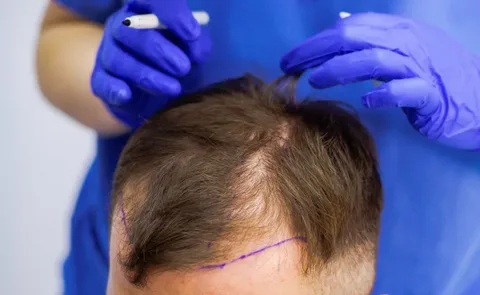
Why Future Hair Loss May Still Occur
The biggest misconception is that once you undergo a transplant, you’re completely immune to hair loss. The truth is that only the transplanted follicles are resistant to shedding, while your native hair may continue to miniaturize and fall out if you’re predisposed to genetic baldness.
This is why timing matters. Getting a transplant too early—before hair loss stabilizes—can lead to uneven results later on, as new bald patches may appear around the transplanted area. Over time, this can create an unnatural or patchy look unless additional procedures are done to maintain balance.
How to Protect Your Hair After a Transplant
To prevent future thinning and maintain a fuller look, proper aftercare and ongoing maintenance are crucial. Here are some effective steps to protect your results:
1. Follow a Personalized Hair Care Routine
Using mild, nutrient-rich hair care products helps strengthen existing hair and maintain scalp health. Avoid harsh shampoos or treatments that can irritate the scalp and weaken follicles.
2. Maintain a Healthy Lifestyle
Nutrition plays a major role in hair growth. A diet rich in proteins, vitamins, and minerals supports both transplanted and natural hair. Regular exercise and hydration also help boost circulation to the scalp, encouraging healthier growth.
3. Consider Preventive Therapies
Some individuals benefit from non-surgical treatments that can complement transplant results and slow future hair loss. Options like low-level laser therapy or platelet-rich plasma (PRP) treatments can enhance density and keep existing hair strong.
4. Regular Check-Ups
Even after your transplant, keeping track of your hair health is important. Periodic evaluations can help detect early signs of thinning and allow timely intervention.
Can a Hair Transplant Stop Baldness Completely?
While a hair transplant restores lost density and improves appearance dramatically, it doesn’t change the genetic tendency toward baldness. That said, the transplanted hair will continue to grow naturally for a lifetime, as long as it comes from DHT-resistant areas.
The best approach for long-term success combines the transplant with preventive strategies that address ongoing loss. This dual approach ensures that your new hair blends seamlessly with your existing strands and maintains its fullness for years.
Setting Realistic Expectations
A hair transplant is a powerful solution for restoring hair, but expecting it to stop all future loss is unrealistic. Instead, it should be viewed as part of a comprehensive, long-term plan for managing hair health. Many people find that when they combine surgery with ongoing maintenance, they enjoy a natural, youthful look that lasts for decades.
Patience is also key—new hair growth after a transplant typically begins around three to four months post-procedure and continues to improve for up to a year. Once the transplanted follicles have settled, they behave just like your natural hair—requiring normal washing, trimming, and styling.
Long-Term Benefits of a Hair Transplant
The greatest advantage of a hair transplant is permanence. Once the transplanted follicles take root, they grow continuously and are unlikely to shed like your original hair did. This offers a lifelong improvement in density and confidence.
However, long-term success depends on maintaining your scalp health and being proactive about potential future thinning. Think of a hair transplant not as an end, but as a foundation—a strong starting point for a lifetime of healthy, natural-looking hair.
Final Thoughts
If you’re considering a Hair Transplant Dubai, it’s important to understand that while the transplanted hairs are resistant to future loss, the rest of your hair may still thin over time. Combining a transplant with consistent care, preventive treatments, and a healthy lifestyle will help ensure that your results remain natural and long-lasting.


Comments